BOOKS CHANGE LIVES

Read. Learn. Share.

Key principles from 1000+ best selling books that promote self-esteem, collective values, liberation, and skill development

Our Top Picks

See our top selection for the week!
Discounts available 😊

Click here

ABOUT AFRICAN AMERICAN IMAGES

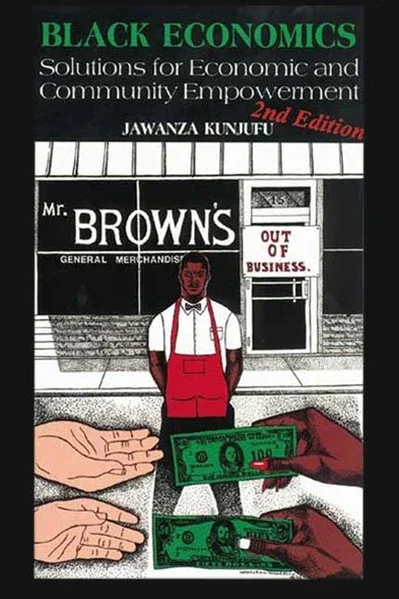
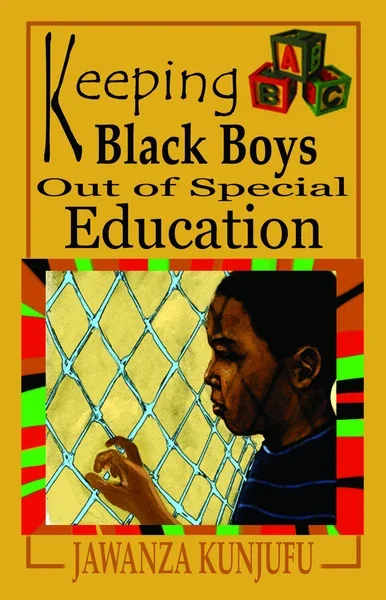
African American Images (AAI) is a United States based company and the publisher of books authored by Dr. Jawanza Kunjufu, and many others. The company is focused on improving values of parents and youth through the distribution of high quality educational materials.

For over 40 years, AAI organized workshops and conferences, conducted by Dr. Kunjufu, with the goal being to help educators and parents develop practical solutions to the problems connected with raising and educating African American youth.

Our Services

Browse through our bestsellers and recommended readings!

ABOUT OUR FOUNDER

Dr. Jawanza Kunjufu

Writer, Educator, Publisher

Dr. Jawanza Kunjufu dedicated his career to addressing the ills afflicting black culture in the United States, working as an educational consultant and author. All aspects of the African American experience occupied Kunjufu's attention, but the main thrust of his work had been directed toward improving the education and socialization of black youths. In 1980, Kunjufu Founded African American Images, a publishing company that published his books and sponsored thousands of his workshops intended to help educators and parents develop practical solutions to the problems of child-rearing in what he perceived to be a racist society. Kunjufu held advanced degrees in business and economics that enabled him to place the problems of black society in the larger context of national and international economic models.

Born on June 15, 1953, in Chicago, Kunjufu—who adopted a Swahili name in 1973—credits his parents, Eddie and Mary Brown, with affording him the encouragement, discipline, and stability that would later become the core of his program for the renewal of black society. As a young man, Kunjufu was urged by his father to volunteer his time at a number of different jobs, working without pay in exchange for learning firsthand how businesses and skilled craftsmen went about their work. Kunjufu attended Illinois State University at Normal and received a Bachelor of Science degree in economics in 1974. Ten years later he finished a Doctorate in business administration at Union Graduate School.

Despite his formal training in business, Kunjufu was early on fascinated—and appalled—by the educational system for black students in America, and from 1974 onward he began delivering lectures and workshops treating the problems facing black educators. His presentations were well received, and Kunjufu eventually decided to make educational consulting his career. The birth of Kunjufu's two sons, Shikamana and Walker, further focused his energies on the contradictions inherent in black education and especially in the education of young black males. The fruit of these observations was the 1982 publication of Countering the Conspiracy to Destroy Black Boys—probably Kunjufu's best-known book—in which he analyzes and offers alternatives to the frequent failure of black males in school and in the marketplace.

In Kunjufu's view, the "conspiracy" against black males is fundamentally rooted in the need of a white minority to control the world's far greater population of people of color; but in addition to overt racism, Kunjufu included in his indictment all teachers, parents, and especially adult black males who fail to provide the support and discipline needed to keep black boys off the streets and in the classroom. Kunjufu saw black males as caught in a self-perpetuating cycle of failure, in which the absence of stable, successful adult role models ensures that young blacks will do poorly in school, turn to street life, and father yet another generation of boys without adequate male role models. The net result is the prevention of black males from attaining positions of social and economic power—thus continuing what Kunjufu perceived as the effective servitude of the black race in spite of America's claims to democracy and freedom.

Kunjufu developed counter-strategies to this "conspiracy" in a number of his other books. In 1986's Motivating Black Youth to Work, he suggests that black Americans shift the basis of their value system from money to the encouragement of each individual's natural talents, a shift Kunjufu characterizes as a difference between European and African value systems. The author casts doubt on the usefulness of jobs programs in and of themselves; in a culture saturated with images of luxury and the power of money, minimum-wage jobs can hold little attraction for today's young black men and women. Kunjufu instead urges that each black child be helped to identify and cultivate his or her talents; from these discoveries, the child must build a means of livelihood, preferably, according to Kunjufu, by starting his or her own businesses. But in order to do this, children need the support and discipline of strong, loving, and concerned parents.

In another of his books, 1984's Developing Positive Self-Images and Discipline in Black Children, Kunjufu cites a University of Chicago study of 70,000 schools across the United States; the study concluded that the most important factor in pupil performance was the expectations of his or her parents and teachers. This conclusion supports Kunjufu's belief in the utmost importance of parental interest and support for schoolwork, along with the stimulation and challenge of a talented teacher. In this, as in all of his books and workshops, Kunjufu finds in the family the only effective defense against what he views as an inherently racist society; he particularly stresses the critical role of black men as role models and providers of discipline.

In conjunction with his writings, Kunjufu and his wife Rita, who was also his business partner, through African American Images, organized workshops for schools, community groups, and parents concerned with issues of education and economic independence. Kunjufu traveled constantly in his role as moderator and lecturer of these workshops, addressing schools from the elementary grades on up to the college level. In addition, he appeared on a number of well-known television programs, including The Oprah Winfrey Show and Tony Brown's Journal.

In the late 1980s, Kunjufu entered a new sphere of activity as co-author with Folami Prescott, of a curriculum called, SETCLAE: Self-Esteem Through Culture Leads to Academic Excellence. SETCLAE contains a series of workbooks, for grades K-8 and for high school, along with supplementary materials, are constructed to tackle self-esteem issues that many African American youths face in today’s media-driven culture. Designed to help combat the internal & external forces affecting African American youths, these workbooks, divided into 32 lessons, cover such topics as goal setting, family trees, African history, culture, Ebonics, rap, values, manhood, womanhood, & academic development.

Kunjufu’s new sphere of activity also included him becoming the executive producer of a full-length motion picture, Up Against the Wall. Inspired by the success of independent black filmmakers such as Spike Lee and Robert Townsend, Kunjufu set out to make a film about black urban culture that would address the problems facing young black males without indulging in scenes of violence, sex, and drug abuse. Kunjufu told Frank James of the Chicago Tribune, "I wanted a movie that could take a black boy through positive and negative peer pressure and see if he could survive…and be a responsible young man."

Kunjufu persuaded actors Marla Gibbs (of "The Jeffersons") and Ron O'Neal (star of the 1972 mega-hit "Super Fly") to appear in the film without advance payment; O'Neal also agreed to serve as the film's director. Despite severe financial difficulties, Up Against the Wall was completed in two years at a cost of approximately $2 million and was released in January of 1991 to a limited number of theaters, primarily in the South. Kunjufu was unable to interest major film distributors in his project, which they thought was too tame for the audience of that day; but the film did well enough at the box office to encourage Kunjufu to plan a second production and to put the movie in print.